Funnel design is often the biggest bottleneck for digital entrepreneurs
You have a great offer and a solid audience. However when it comes to connecting the tech with landing pages, emails, checkouts, and automations, it all falls apart.
If you relate to this, you are not alone. Bes Hernandez was a virtual assistant before she became a 6-figure funnel expert. She had the exact struggle. She learned that pretty pages don’t make money, systems do.
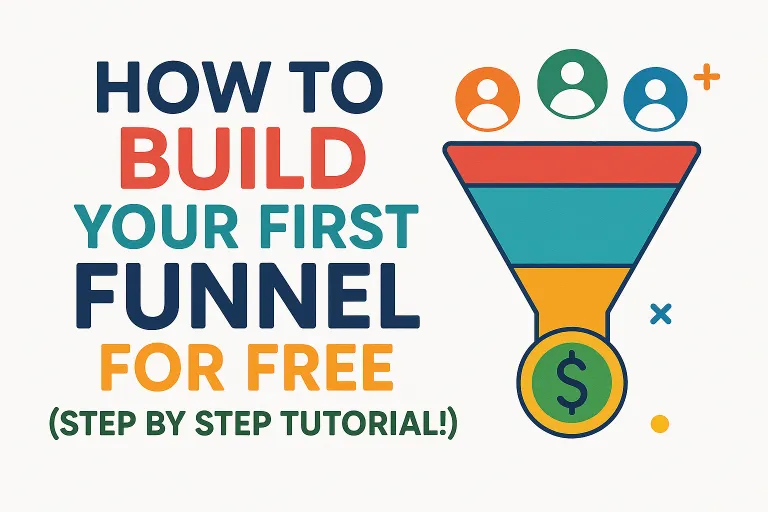
In this guide, we analyze her proven “ACDE Framework” for funnel design that reduces the complexity of tech and increases conversions, all using one tool.
The ACDE Framework: A Blueprint for Success
Most beginners make the fatal mistake of jumping straight into the software to “build.” This leads to hours of frustration, broken links, and ugly pages.
Bes Hernandez created the ACDE Framework with the intention of stopping this chaos. It stands for Ask, Collect, Design, Execute. Following this order enables you to focus on funnel building and not fighting with the tech.
- Ask (The Strategy)
Before you start dragging elements onto the canvas, you have to ask the right questions.
- Who is the audience? (e.g., Busy moms, corporate executives)
- What is the goal? (Lead generation, webinar sign-up, high-ticket sale)
- What is the offer? (PDF, video course, consultation)
- Bes emphasizes that the “Offer must match the Audience”. If you skip this step, no amount of pretty design will save you.
- Collect (The Assets)
Most funnel builders get stuck here. They try to write the page while they are designing it. Don’t do this.
- Copywriting: Google Doc. Before you design, finish the headline, the bullets, the email, the page, etc.
- Images/Branding: Logos, hex codes, and photos should all be in the same folder.
- Freebies: If you are using a PDF as a lead magnet, upload it.
- When everything is “collected,” building a funnel will be more about assembly and less about creativity.
- Design (The Wireframe)
Before you start building, create a visual for the layout to save a ton of time.
- Tools: If you are more advanced, you can use Figma like Bes suggests, but beginners should use Canva.
- Goal: Make a mock-up. Where do the headlines go? Where do you put the Call to Action buttons?
- Pro Tip: Your buttons should be an attention-drawing color and make sure that people don’t have to scroll a lot to see them.
- Build The Funnel
Now you can open your funnel building software. As you’ve already created your funnel strategy, assets, and design, this part should be quick. All you need to do is upload your images, insert your text, and set your email connections.
Why Is Systeme.io Best for Funnel Design
When Bes Hernandez began her career, she worked with her clients through WordPress, Active Campaign, ClickFunnels, and Zapier. That was expensive, and it created a fragile and overwhelming system.
Then she moved to Systeme.io and never went back. This is why she chose it over the competition for the ACDE framework:
- Simplicity: You don’t need Zapier. The landing page integrates with the email list, which integrates with checkout, which integrates with the course. It is all within one system.
- Speed: Because the systems are all tied together and don’t rely on multiple plugins to work, pages load substantially faster than a bogged down WordPress site.
- Affordability: You can build your whole “ACDE” funnel on the free plan. There is no risk to start.
- Replicability: Once you build a great funnel, you can “Share” it with one click. Bes uses this to give her students funnels she built, which saves them dozens of hours.